Cuba Briefing
The Caribbean Council's Exclusive Publication on Cuba

The Cuba Briefing is your news and insight resource for the latest developments in Cuba.

Published since the mid-1990s, Cuba Briefing is an unparalleled resource of detailed analysis on economic, social and political developments going on inside Cuba including analysis on the Cuban government’s priorities and policy developments towards foreign investors, economic reform, and the growth of the private sector.

Cuba Briefing is produced on a weekly basis by David Jessop, the director and founder of the Cuba Initiative and Non-Executive Director of the Caribbean Council, providing expert insight and a longer term lens on week-to-week developments in the country.

Don’t miss out on the latest news business and opportunities from the region. Subscribe to receive the Cuba Briefing Publication directly to your inbox. Subscribers receive 23 editions over 12 months. Click to Subscribe.

Leading Articles Featured in Cuba Briefing

26th June 2023

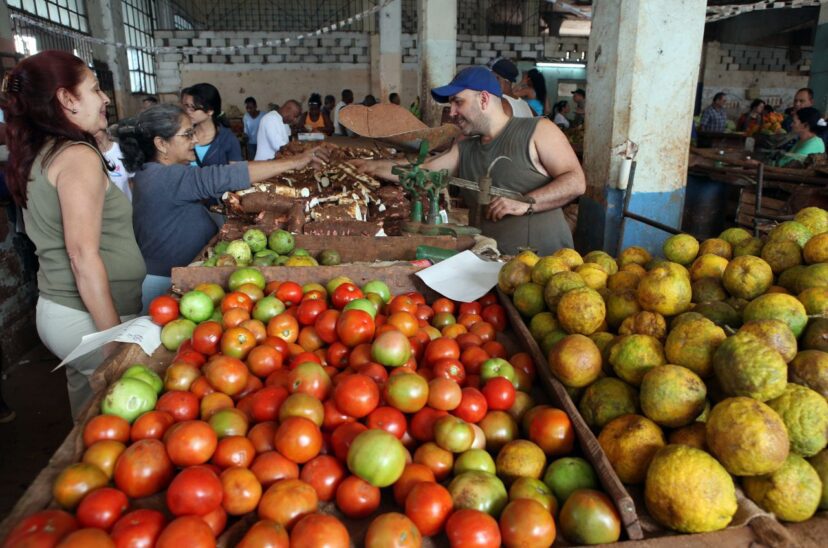
Official figures confirm that inflation in Cuba continues to surge. Their publication comes as many educated young Cubans and their families are choosing to either migrate or leave the state sector, causing official concern that consequent labour shortages may result in a decline in productivity.

Recently published figures produced by the National Office of Statistics and Information (ONEI) indicate that year-on-year inflation in Cuba’s formal regulated market stood at 45.48%  in May, compared to 26.16% for the same month’s inter-annual figure in 2022. The May figure showed little variance from the annualised figure in April this year which stood at 45.36%.

ONEI reported that the year on year rise was highest in relation to food and non-alcoholic beverages (66.48%), restaurants and hotels (65.02%), transportation (29.45%), goods and miscellaneous services (22.78%) , furniture and articles for the home (20.67%) and education related expenses (20.89%). It also noted that in May the monthly price of staples for pork and rice surged by 30%, and the Consumer Price Index increased by 3.64% compared to April.

The figures do not take into account the prices in Cuba’s unregulated informal market where inflation is being driven higher by demand because of the continuing shortages in the formal market, and where prices are linked to the receipt of convertible currency by Cubans with friends and family overseas. Although no accurate figure exists, analysts place annual price inflation in the informal market at somewhere between 350% and 450%, creating significant inequalities and hardship for those Cuban who do not have access to convertible currency.

In a further indication of the serious economic challenge Government faces, the closely monitored unofficial US Dollar rate to the Cuban Peso has reached an all-time high, with parts of the economy effectively dollarising as Cuba imports, according to UN statistics, almost 80% of what it consumes. In an indication of the inflationary effect, in recent weeks the CUP has continued it decline against the US Dollar and was at press time US$202 to CUP1 according to the usually reliable and widely consulted daily listing on the website of the independent publication El Tocque. Cuba’s official exchange rate remains at CUP24 to US$1, while the official Cadeca rate available to individuals and small businesses on a limited basis presently stands at CUP125 to US$1.

Government formally attributes price inflation to foreign exchange shortages and the widespread scarcity of food, medicine, fuel, spare parts, and pressure on prices, to the tightening of the US embargo, the cost of having addressed COVID, the loss of tourism at that time, and more recent global developments.

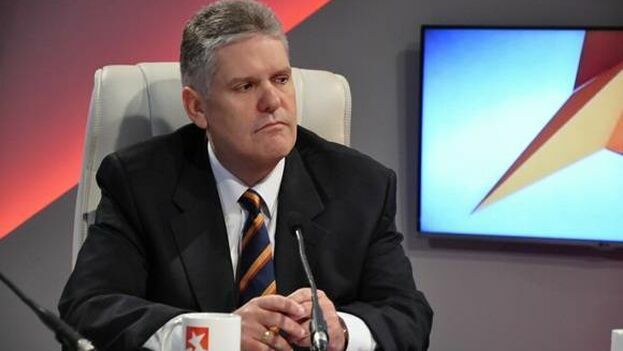
However, speaking recently, Deputy Prime Minister, Alejandro Gil, the Minister of the Economy and Planning, added the slow recovery of tourism, the poor sugar harvest, higher international prices and severe fuel shortages as factors contributing to the scarcity of foreign exchange; resulting in government, he said, having to import less, including essential inputs required to maintain production levels.

Gil also appeared to recognise that the tarea ordenamiento (reordering task), which in January 2021 in part involved the cautious unification of Cuba’s then dual currency system based on concerns about the social impact, was flawed, and is now making it harder to manage macroeconomic policy.

Inflation said to be driving labour shortages in state sector

There are signs that the bleak short to medium term economic outlook is now causing labour shortages in the state sector as skilled workers and the country’s highly educated young either leave the country or migrate to Cuba’s fast growing private sector, often utilising finance provided by friends and family overseas to establish new businesses.

Granma recently noted that the increase in vacant positions has become a headache for many managers, creating “tensions, delays and other setbacks that have an impact on the internal dynamics of entities, and also on the population.”

It quoted Merlys Gort, the Deputy Director of Labour and Social Security in the municipality of Pinar del Río as saying that there were vacant positions in areas ranging from information technology and investment to light industry, and from the economy, territorial planning and passenger transportation to the post office.

Observing that although the view expressed in January 2021 when the tarea ordenamiento came into force that it would create new employment, the official publication noted that while initially more than 101,340 Cubans had accepted a job offers, this development “did not last long.”

The article went on to suggest that finding labour for Cuba’s state sector has become increasingly difficult. Quoting Gort Granma noted this was because “salaries were too low … and because very unattractive offers predominated.” Granma also cited her as saying that behind the increase in vacant positions were “other factors such as emigration,” the difficult economic situation “marked by very high inflation,” and salaries in much of the state sector, especially budgeted entities, ceasing to be attractive.

She also noted that her own organisation had suffered “a considerable exodus of people who have migrated towards self-employment and MSMEs, in search of better remuneration.”  They included, she said, highly qualified staff in charge of delivering state policy including planners, computer scientists, architects, civil engineers, and hydraulic engineers.

The article went on to quote others who made clear that unless the problem is addressed, state entities will not be able to fulfil compliance with their responsibilities or their corporate purpose.

Granma concluded ominously that “the lists of vacant positions that are causing concern today are just a symptom of a much more serious problem, which demands comprehensive action, from the training of the labour force necessary for development, to the incentives to retain it in a country that has always considered human capital as its most important resource.”

The Caribbean Council is able to provide further detail about all of the stories in Cuba Briefing. If you would like a more detailed insight into any of the content of today’s issue, please get in touch.

Foto: EFE/Alejandro Ernesto
19th June 2023

Potentially far-reaching changes in the future organisation of Cuban state enterprises that may enable a much higher degree of market related autonomy are being considered for inclusion in new business laws.   

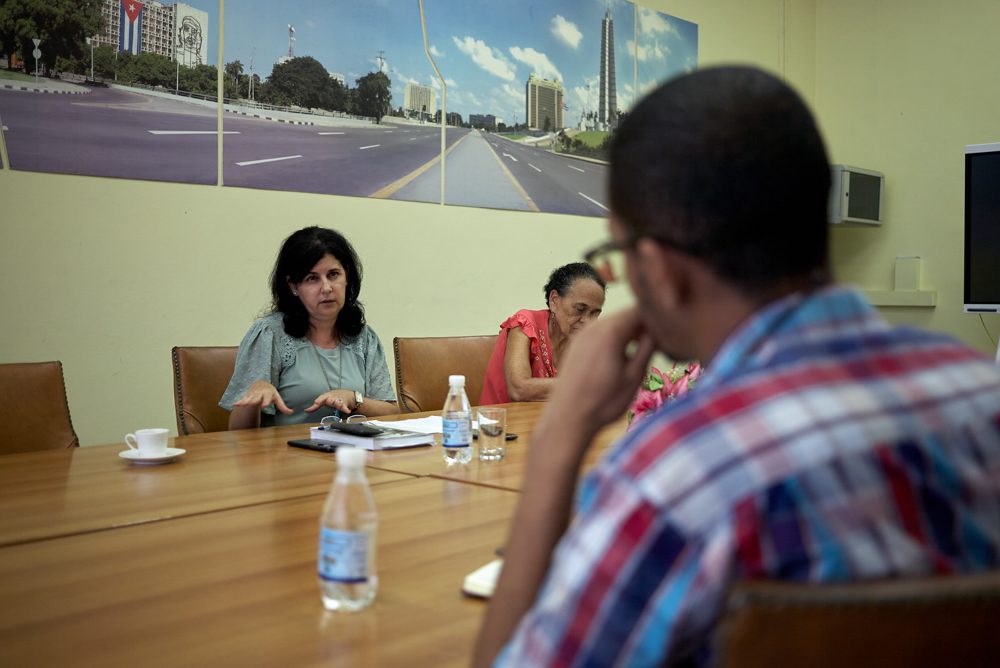
Speaking to Cubadebate in an extended interview, Yovana Vega, the Director of the State Business System of the Ministry of Economy and Planning, indicated that studies are underway based on the recognition that Cuba’s state enterprises are organised in a  “very vertical and rigid” manner.

Noting that not all higher business development organisations (OSDEs, which control other related state business entities) have responded to their intended task of providing technological linkages, purpose and direction, Vega suggested that thinking had changed. 

“The debate today focuses on the fact that, although there are business groups all over the world, their formation occurs naturally, because companies come together; among other factors, because it gives them financial strength, and in relation to the market,” she said.

To achieve such changes, Vega told the media platform, work was under way on how this should be conceptualised in the proposed new business law. “In Decree Law 34 it is said that independent companies can exist; however, there are very few companies of this type in Cuba.” “These steps entail an analysis and a re-dimensioning …. all this is being evaluated in relation to the business bill,” she said.

Vega was quoted as saying that among the most important changes envisaged is the possibility that many more companies will be able to establish their own salary systems and distribute profits  based on increased productivity. There is evidence, she noted, that remuneration had a positive impact on increased work productivity.

Speaking about the relationship between government and business, Vega said that “Autonomy and governance over the business system is also being analysed. This is one of the critical points, because today all the ministries …. affect the business system of the country,” she said,  before noting that “the process of separating state and business functions has not been effective”.

As a part of the process of change, she said that in parallel, work is being done on the way in which state companies are classified. Today we are proposing, Vega said, that companies be classified in three ways  “because a company whose raison d’être is to systematically and sustainably obtain high yields and exports is not the same as a company whose purpose is to guarantee equitable access to a certain essential product or service for the population, such as the regulated family basket.”

In future, she suggested, all companies will not be subject to the same type of regulations.

A preliminary classification has placed state companies into three categories, she said.

These were she noted: Firstly, “those created to have high returns on the resources that the State has invested in them, such as the export sector” comprising almost 80% of such entities”; secondly, “the monopolistic companies which manage the fundamental means of production and the country’s infrastructure, such as Union Electrica (the country’s power generator) and Ferrocarriles de Cuba (the railways operator); and a third group, “those constituted to guarantee basic services to the population, such as pharmacies and opticians, commerce, and public transport.”

Indicating that at issue now was how to regulate the three categories of state enterprise, Vega said companies in the first group will be expected to “operate in conditions of competition between themselves and with other actors in the economy,” while as monopolies the second group, where there is no competition, will require regulating differently, “especially in terms of prices, salaries, etc.”  The companies in the third group providing basic services will require, she said, yet another regulatory approach.

This will mean she observed, “Companies will have a general scope of action and differentiated regulations, ranging from price formation, [their] relationship to the State budget, [and] to their salary scope.”

The new laws relating to state companies, she added, as with Cuba’s macroeconomic stabilisation programme and decision to decentralise power, will require both national subordination and territorial subordination involving municipal government “as the fundamental cell for economic development from the country.”

Cubadebate  also reported her saying that in the restructuring of Cuba’s state business system there will be a review of how Cuba’s superior business management system of OSDE’s operate and what they should really be for.

The Caribbean Council is able to provide further detail about all of the stories in Cuba Briefing. If you would like a more detailed insight into any of the content of today’s issue, please get in touch.

Photo: Enrique González (Enro)

12th June 2023

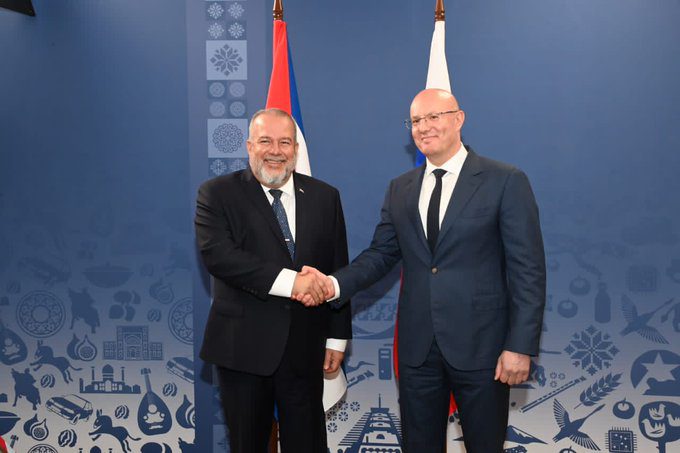
Russia’s Prime Minister, Mijaíl Mishustin, has described Cuba as Moscow’s key partner in Latin America. Speaking at the start of an eleven-day official visit by Cuba’s Prime Minister, Manuel Marrero, and an accompanying high level Ministerial delegation, Mishustin said that relations were moving to a new level.

“For us it is very important to relaunch our cooperation to increase trade and investment. We are creating the conditions to expand the operation of Russian companies in the Cuban market. We propose to develop more actively collaboration in the tourism field after the resumption of regular flights with Cuba, starting on 1 July, “ he said.

Mishustin also stressed that Russia attached “great importance to the implementation of large joint projects, especially those designed for the long term, such as the modernisation of the José Martí Steel Company (Antillana de Acero).”

More details as to the nature of future Russian cooperation are expected in the coming days when Marrero attends and speaks at the St Petersburg International Economic Forum. However, Cuban official reporting on remarks made by Cuba’s Prime Minister and senior Russian ministers at the third Eurasian Economic Union (EAEU) Intergovernmental Council outline the significant deepening envisaged in the future economic relationship.

Reporting on remarks made by Russian Vice Prime Minister, Dmitri Chernyshenko, during the first day of the EAEU meeting, Prensa Latina confirmed that progress is being made on the development of an outline Russian commercial, economic, scientific, and technical cooperation programme with Cuba to cover the period 2023-2030.

It quoted  Chernyshenko as saying that following his visit to Havana in late May  “Russia has reviewed the document in detail, and it is now being examined by Cuba. There will be an agreement on preferences for business in our countries, an integral part of which will be a roadmap for the application of preferences and a project plan up to 2030.”  “We hope that at the St Petersburg International Economic Forum we can be ready to give more details,” Chernyshenko added.

The official Cuban news agency added that when Russia’s Deputy Prime Minister was in Havana, “outside the intergovernmental commission, a memorandum on Russian investment projects in Cuba, a road map for the application of preferential measures and an updated programme of commercial, economic, scientific and technical cooperation for 2023-2030 were signed.” (Background Cuba Briefing 22 May 2023)

New Russian economic relationship ‘a model for Eurasia’

Speaking in Sochi to the EAEU’s Intergovernmental Council meeting which was attended by President Putin and other government leaders from member states of the Eurasian grouping, Marrero stressed the importance of developing closer economic cooperation at a time of international tension and sanctions.

In doing so, he said that advances in relation to “mutually advantageous projects between Havana and Moscow” could serve as a reference for economic and commercial relations between Cuba and the countries of the EAEU. “In these difficult times where some countries impose unilateral sanctions on others, this Union is extremely important because there is strength in unity. Cuba will not let [EAEU members] down as an observer state,” he said.

Marrero indicated during the Council’s closing session that the areas of economic collaboration sought by Cuba with EAEU states were in the scientific-technical field, finance, transport and logistics infrastructure, computerisation and digital transformation, tourism, and industrial development.  He also stressed the potential for trade and the role Cuba might play with EAEU member states in relation to Latin American and Caribbean markets based on its geographic location and its existing trade agreements.

“The existence of partial scope agreements and economic complementation for the reduction of tariffs signed by Cuba with countries of our region, constitute an additional advantage to achieve the objectives [providing] bonuses for all parties,” he said. He also reiterated Cuba’s interest in establishing a related industrial park for the exclusive participation of the EAEU in the Mariel Special Development Zone.

The EAEU consist of Armenia,  Belarus, Kazakhstan, Kyrgyzstan, and Russia, with as observers

 Cuba, Moldova, and Uzbekistan.

Marrero’s visit to Russia continues

Marrero’s programme continues at press time and is expected to include, according to the Russian media, further high-level meetings with senior Russian Ministers and business leaders and attendance at the St Petersburg Economic Forum. He is accompanied by among others, Vice Prime Minister Ricardo Cabrisas, the Minister of  Foreign Trade and Foreign Investment, the Ministers of Public Health, Tourism, Energy and Mines, and Transportation, the Minister-President of Cuba’s central bank, and the First Deputy Minister of Foreign Relations.

The Russian government linked media platform Sputnik noted that among the issues being discussed during the visit are how to make bilateral cooperation more beneficial beyond trade in goods and tourism.

It noted that  discussions were underway about possible joint scientific cooperation in the application of genetic technology to pharmacy, medicine, and agriculture; interaction in the field of biomedicine and biopharmaceuticals, in which it noted “Cuba traditionally occupies leadership positions”; and the development of new varieties of agricultural plants and complex technologies to improve  Cuban agriculture.

At the time of the Russian-Cuban Intergovernmental Commission on Trade, Economic, Scientific, and Technological Cooperation the Russian news agency Interfax reported that trade between Russia and Cuba is growing rapidly. It quoted Russian Deputy Prime Minister, Dmitry Chernyshenko,  as saying that bilateral trade trebled threefold in 2022 to US$452mn.

“In 2022, [Russia-Cuba] trade grew threefold to US$452mn, and in the four months of 2023, it soared ninefold to US$137.6mn year-on-year,” Chernyshenko said when opening the May meeting. However, Interfax also quoted the Commercial Counsellor of the Russian Embassy in Cuba, Serguei Baldin, as saying that 90% of Russia’s trade with Cuba comprised of sales of petroleum products and soya oil, while Russia mainly imported rums, coffee, and cigars. Official Cuban statistics suggest that the level of bilateral trade is lower in terms of value than noted by Chernyshenko.

According to Oleg Savchenko, Deputy Chair of the State Duma Committee on Financial Markets, Cuba is the first stop for the Kremlin in developing an extensive network of bank branches in Latin America to offset Western sanctions introduced following Russia’s invasion of Ukraine.

“We are potentially interested in Argentina, Brazil, Paraguay, Bolivia, Uruguay, Venezuela and others. These states are looking for links with Russia, given that we are world leaders in food, including grain exports,” Savchenko told the Russian publication Paragraph. If Russia’s financial institutions can break into these markets, and the Bank of Russia supports them in this, he told the publication, “then we will see a fundamentally different result.”

The Caribbean Council is able to provide further detail about all of the stories in Cuba Briefing. If you would like a more detailed insight into any of the content of today’s issue, please get in touch.

Photo via havanatimes.org

5th June 2023

Senior officials from Cuba’s construction sector have said that they are attempting to finance its return to viability through developing an income from exports.

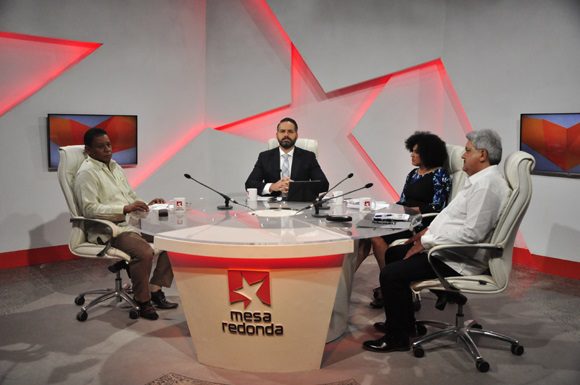
Speaking on the nightly television programme Mesa Redonda, the Directors of the Ministry of Construction (MICONS) and the GEICON Business Group identified energy supply stability and financing the cost of production as the main problems facing the recovery of Cuba’s construction industry as it attempts to deliver the homes, buildings, and infrastructure required.

Reynolds Ramírez, the First Vice President of GEICON, Herácleo Porto, the Director General of Grupo Empresarial de Cemento (GECEM) and officials from the Ministry of Construction (MICONS) told viewers that little improvement was likely in the immediate future without new sources of financing and energy stability. 

Speaking about the 2023 production plan, Ramírez stressed that to increase the delivery of construction materials “financing is needed.” This he said is “within our reach …. through exports.” In 2022 he said, GEICON sold US$1.05mn worth of  marble and mortar, some grey cement, and charcoal to earn income to maintain production.

This year the plan is to export just under US$17mn to recover and develop the construction materials industry. It was, he said, the only way the sector could achieve production on a larger scale and acquire the necessary raw materials not produced in the country.

The First Vice President of GEICON explained that although outcomes for 2023 had improved, so far “the expected results have not yet been achieved, due to the energy situation,” and output was far below installed technical capacity. “It is insufficient to satisfy the country’s demand,” he observed.

Despite this, he said, the  group was  developing new processes and modernisation plans with Cuban universities, citing as examples improvement in the production of sanitaryware, and automated methods of processing marble for export.

During the broadcast Porto, the Director General of GECEM the Cement Group, told viewers that government decided that this year it would prioritise the recovery of the cement industry.

The company’s Nuevitas plant, he said, is being modernised to recover the clinker capacity, while its Santiago plant is expected to  double its capacity after being modernised enabling the two together to produce around 2mn tons of cement annually. Porto also noted that GECEM’s Cienfuegos plant is currently exporting to some Caribbean countries, enabling the income received to be reinvested into increasing production capacity.

Cuban state media recently reported that the modernisation of the 26 de Julio Cement Factory in Nuevitas seventy miles northeast of Camaguey, is intended to lift its productive capacity from 150,000 to 750,000 tons per annum.

The Caribbean Council is able to provide further detail about all of the stories in Cuba Briefing. If you would like a more detailed insight into any of the content of today’s issue, please get in touch.

Photo: Roberto Garaycoa/ Mesa Redonda

29 May 2023

Deputy Prime Minister, Alejandro Gil, the Minister of Economy and Planning, has told Cuba’s National Assembly that “tourism continues to be the fundamental way to stimulate the recovery of the economy.”

In a detailed address to Deputies on the country’s economic performance and priorities for recovery, he said that the sector was “essential to accompany and advance the gradual recovery of the economy.”

Although observing that by 3 May the country had welcomed 1mn visitors, he warned that achieving the tourism visitor plan for 2023 remained challenging, stressing “it does not depend only on us, but we are on that path.” In his remarks Gil noted that arrivals numbers at the end of April represented 28% of the hoped for 3.5mn arrivals this year and as such was 119% up on 2022 but was just 51.1% of the number recorded in the same period in the pre-pandemic year 2019. Growth in arrivals from Canada and Russia, he said, were of particular importance

Economic priorities

In his address, Gil identified Cuba’s economic priorities for 2023. These were, he said,  advancing macroeconomic stabilisation, consolidating foreign exchange allocation mechanisms, recovering the capacity of the national electrical system, and accelerating the introduction of renewable energy sources. In addition, he said, the intention is to make progress in reducing social inequalities, consolidate the process of decentralising powers to Cuba’s provinces, and to  comprehensively transform socialist state enterprises.

The non-state sector

In part, Gil focused on the increasing role of Cuba’s non-state sector in the economy and government’s concern about the level of imports of finished goods rather than raw materials. Noting  that in 2022 non-state forms of management had generated US$4.8mn in exports and US$270.1mn in imports, he observed that in the first four months of the year “these forms of management have imported US$166.6mn dollars. “At this rate we will exceed the figure of more than one billion in the course of the year,” he cautioned.

Warning that many such items were imported ready for sale often at high prices, he pointed out that the non-state sector must do more to contribute to the development of the country’s economy. New forms of management he said can import for production, but in recent months the trend has been “towards imports for direct marketing.”

Noting government’s concern about the tendency of the private sector to buy and sell finished goods, Gil reminded delegates that Cuba has “only one business system” that he said has to  function in the economic and social interest of the country as the law requires. He also expressed concern about speculation. “Excessive lucrative profits cannot exist, and it is a responsibility that we must face and that is billed and sold to the population.”

The foreign exchange market

Speaking about the foreign exchange market and the changes since August 2022 when the economy  was rapidly dollarising and hardly utilising Cuba’s domestic currency, he said that to ensure future economic development it had been necessary to  establish a market through CADECA with an exchange rate higher than the unification rate of CUP24 to US$1.

Noting that despite the CADECA  rate of US$1 to CUP120 being only available on a limited basis, demand “exceeds 100 days to buy foreign currency”,  and “an illegal market exists with an exchange rate that exceeds CUP180 or CUP190 to US$1,” he said that the Cuban state is now obtaining more foreign currency.

In an apparent acknowledgement that the currency unification undertaken in January 2021 (Cuba Briefing 5 January 2021) had been badly handled, he said, “Even with these insufficiencies, we are buying 10 times more currency than what we bought with the exchange rate of US$1 to CUP24.

This means, Gil said, captured currencies are being invested in the reactivation of industries such as electronics and agriculture and to purchase products such as rice and pork, and cleaning products. “The exchange market operates within its own resources. If we buy more we put more, and if we buy less we have less chance of boosting national industry and selling foreign currency to the population,” he told delegates. In doing so he made clear that while the sale of foreign currency to the population is not enough, government must now face down the informal market.

The digitisation of financial transactions   

In other remarks he suggested that there was a need to advance the digitisation of financial transactions and move away from the use of bank notes.  Gil recognised that the level of demand for paper currency exceeded the Central Bank’s capacity to provide it. Observing that the printing of physical banknotes “is costly in their issuance, custody and handing”, he stressed the importance of ETECSA, the state telecommunication’s company’s  mobile wallet, despite resistance in some parts of the country. This allows for electronic payments in Cuban Pesos and in foreign currency.

Reform of state enterprises

Addressing continuing concerns about the losses, poor productivity, and accountability of many state enterprises, he reported that in the first four months of 2023, 84% of state companies had achieved positive results and were generating profits. He warned however this did not mean they are all operating at maximum capacity or were efficient.

Gil told the National Assembly that the number of state enterprises losing money had been reduced to 285 but because  they had capped prices so as not to contribute to inflation it was not always possible to measure true outcomes. Still others , he said, are losing money  “due to lack of innovation, strategic thinking, due to the accommodation of managers, because they are not creative.” This Gil warned would require further analysis.

Speaking about closed currency schemes which allow some state exporters of goods and services to not depend on a central financial allocation, he noted that this had been particularly beneficial in the case of tourism, nickel, transportation, and communications. In his remarks he confirmed that this “innovative form of the Cuban economic model” now applied to 159 state affiliated companies and 105 state MSMEs.

More generally, when it came to state enterprise, Gil told the National Assembly that progress was being made in classifying state companies into different groups as it was recognised that a single system of management could not be universally applied. He also reported that work on a business law is progressing and confirmed that there are now  8,012 independently managed  enterprises of which 105 are state-owned, the rest private, and 65 are non-agricultural cooperatives, creating in all some 212,400 non-state jobs.

Agricultural Production

Regarding agriculture, he said that production levels of root and other vegetables, eggs, milk, rice, beans, and other products had decreased in relation to 2022 . Speculation in food prices for staples, he recognised had become a matter of great concern to Cubans. Making clear that maintaining the regulated family basket was costing government between US$1.5bn and US$1.6bn as most items were based on imports, he stressed that national producers must participate more in providing the inputs. The minister also called for progress in each municipality, to calculate the basic local demand for food in order “to promote local development” in 2024.

Elsewhere in his address Gil noted: there had been no progress in the country’s housing construction programme; that to achieve a gradual recovery in public transport, government was looking for new sources of financing for the sector; official inflation in the year from April 2022 amounted to 45.4%; there was a need after high levels of spending during the pandemic for new resources to recover social programmes, improve pensions, and care for the vulnerable. The requirement now, he said is for “more production, more efficiency, less resale, less diagnostics and more solutions.”

The Caribbean Council is able to provide further detail about all of the stories in Cuba Briefing. If you would like a more detailed insight into any of the content of today’s issue, please get in touch.

Photo via: 14ymedio.com

22 May 2023

Russia and Cuba have agreed at a business forum in Havana a series of economic and commercial measures that suggest that investment and trade relations with Russia may now deepen significantly.

Remarks made there by Russian Deputy Prime Minister, Dmitri Chernishenko, and Boris Titov, the Russian Presidential Commissioner for Entrepreneurs’ Rights and Co-Chair of the  quasi-official Russia-Cuba Business Council, indicate Cuba is prepared to offer Russian enterprises unique concessions to encourage private investment in sectors including agriculture, agribusiness, rum, construction, transportation, and tourism,

During  the forum Chernishenko confirmed that: “The Governments of Russia and Cuba are working to create beneficial conditions for business, which means removing bureaucratic barriers, reducing taxes and tariffs, developing banking infrastructure to guarantee uninterrupted service of contracts, active work in expanding access to agricultural products in the market of both countries, and the development of logistics routes that meet the demands of our companies.” 

He also indicated that Russia is willing to propose comprehensive solutions in relation to digitisation, construction, and modern technologies, and in what he described as a most attractive sphere for Russian investment, tourism.

The event was notable for comments made in relation to incentives aimed at attracting Russian private investment.

During the opening session Titov alluded to land in usufruct being made available to Russian agricultural producers for 30 years, related tax exemptions, and several possible tariff and other incentives aimed at attracting Russian private investment, including new mechanisms to repatriate profits to Russia, and the development of a shipping line to facilitate Russia- Cuba trade. 

In addition, Russian Deputy Prime Minister Chernishenko referred to the creation of a banking infrastructure that will enable trade and a Russian business presence in Cuba, and to Moscow’s help in the modernisation of  Cuba’s inefficient sugar mills. He also announced that scheduled direct air services would restart soon (See Russia Below).

In addition, a statement by the Russian government quoted him as saying that Cuba had given the green light for Russian banks to open subsidiaries to finance Russian companies on the island and that both countries will use the Rouble for their joint projects.

Chernyshenko said that the Forum had made it possible to conclude agreements that should result in greater Russian collaboration in construction, tourism, sugar as an agro-industry and energy. He also noted that Cuba remained one of Russia’s principal allies and partners in the Latin American and Caribbean region, based not on the external situation but on principles of friendship and mutual respect.

In other  published remarks, Chernishenko said that “work is underway to inaugurate a Russian House of Commerce in Havana, which will provide a wide range of high-quality products for Cuban consumers.” He also noted that the upgrading of Cuba’s Antillana de Acero steel plant with Russian finance had been completed and it is expected to produce some 230,000 tons of liquid steel per year.

At the end of the meeting, eight documents were signed, including an Action Plan for the period 2023-2024, a memorandum relating to discussions in a joint macroeconomics working group, another on collaboration in relation to artificial intelligence, a contract for the supply of wheat, and letters of intent relating to joint ventures, including one for the development of a Russia-Cuba rum company.

Meetings described as offering new possibilities for Cuba

Speaking at the close of the Forum, Deputy Prime Minister Ricardo Cabrisas described the event as constituting “a milestone in the history of our bilateral relations in general and in business relations in particular.” He noted that new and greater possibilities were opening with Russia.

The meeting, he said, provided an ideal space for dialogue and business to strengthen ties between both nations demonstrating the will of both governments to raise their economic relations to the level of their political relations. Concrete agreements had been reached.

In his remarks Cabrisas emphasised that it was now up to the Cuba-Russia Business Committee, which he Co-chairs  with Titov, to lead and follow up the agreements and commitments adopted. He also underlined Cuba’s desire to reverse the existing imbalance in trade through increasing non-traditional Cuban exports to Russia. He also noted the significance to Cuba of Russia’s future support in relation to the supply of oil, raw materials, and technology, in helping change the island’s energy matrix, and in relation to tourism.

The forum, he said, enhanced not only relations between Russia and Cuba, but also between Eurasia and Latin America, as the two nations were central to interregional ties. He confirmed that Cuba’s Prime Minister, Manuel Marrero, will participate in the next meeting of the Council of the Eurasian Economic Union to be held in June  in Sochi in Russia.

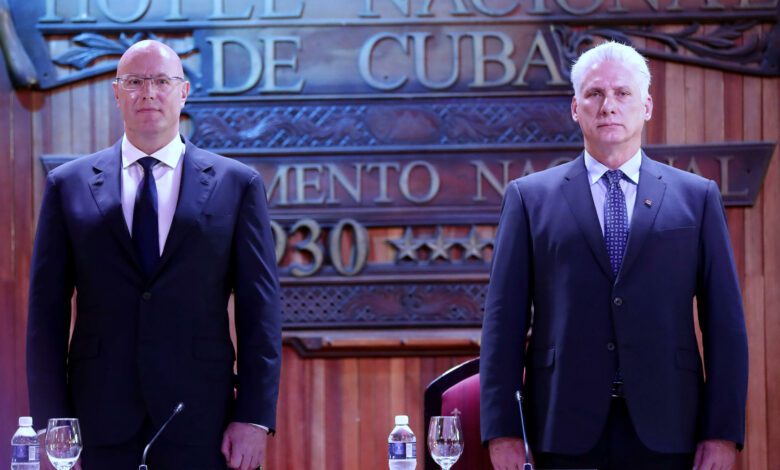
According to the Cuban Presidency website, President  Díaz-Canel, who attended the closing ceremony of the Forum, highlighted during a later meeting with Chernishenko what was described as “a new moment in relations between the two countries”. It quoted him as saying that Cuba valued “the understanding that Russia has had, particularly President Putin, about the situation in Cuba” and its willingness to rapidly follow-up rate the agreements derived from the talks held when he visited Russia last year (Cuba Briefing 29 November 2022).

Noting that the follow up action had been “intense”, he said that Russia’s response would contribute “towards the realisation of projects that provide comprehensive solutions to Cuba’s problems and that are mutually beneficial for the two nations.”

“There is no doubt that we are in a very particular, very special moment in our bilateral ties.” “We ratify our willingness and desire to continue expanding relations”, Díaz-Canel told Chernyshenko.

The Presidency website quoted Chernyshenko as noting in reply, the intensity of the bilateral meetings in recent months, and as highlighting “the preferential treatment that is being given to relations between Cuba and Russia.”

Boris Titov outlines far reaching concessions for Russian business

During the Forum, Boris Titov, the Russian Presidential Commissioner for Entrepreneurs’ Rights, who co-chairs the Russia-Cuba Business Council and is close to President Putin,  was reported by Sputnik, the state linked Russian media platform, as having confirmed that Cuba is ready to provide more favourable conditions for Russian businesses than are available to investors from elsewhere.

Sputnik quoted him as saying: “Cuba is transforming, mastering new rules for interaction between the state and business. The Cuban authorities are ready to provide special conditions to Russian businessmen.”  The most favourable conditions being offered to Russian business, Titov said, “concern both long-term land leasing and duty-free importation of agricultural machinery, granting the right to transfer foreign exchange earnings, and much more.” Adding: “Of course, we are also waiting for the reduction of bureaucratic barriers.”

The online platform also quoted him as highlighting the fact that problems remained relating to transport, but that Cuba and Russia were working together to “establish permanent maritime lines for the supply of goods.” He also noted that under discussion were “subsidised loans from the Russian government”, that three Russian banks had requested registration from Cuba’s Central Bank to establish branches in Cuba, and that  Cuba had confirmed its interest in doing so.

The Russian news agency TASS separately quoted Titov as saying that plans were being developed to create a joint Russian-Cuban bank to finance independently managed Cuban SMSES. “We believe that it is necessary to open large-scale joint banks. Today the number of entrepreneurs in Cuba is growing and they need their own professional bank that can support a business project, finance small and medium-sized enterprises,” Titov said. He also noted that to this end proposals had been presented and that rapid progress is expected.

According to TASS, Titov confirmed that as of June it will be possible to pay for goods and services in Cuba using Russia’s Mir payments system through its credit and debit cards, but that consultations are due to take place soon in Moscow about a fast payments system being developed by Cuba using QR codes.  “Cuba has its own system of fast payments through a QR code. Cuban representatives will soon go to Moscow for a consultation with the Central Bank and, probably, an interaction will be established to unify the system of fast payments through a QR code,” the news agency quoted Titov as saying.

Other Russian media and western news agencies indicated that during the forum Titov confirmed joint plans for the opening soon of a store selling Russian products to Cubans; expedited processes to establish  mixed Russian-Cuban companies; and the possibility of business operations in both the Rouble and the Cuban Peso. “A lot is being done for Russian investors, there are preferential conditions,” Titov was quoted by AP as saying.

Some of the legislative issues required to make these concessions are believed to have been discussed when Vyacheslav Volodin, the Chairman of Russia’s State Duma (lower house) recently visited Havana and met with the President of Cuba’s National Assembly, Esteban Lazo, and others (Cuba Briefing 8 May 2023). Such changes by press time had not been reported in Cuba’s state media.

The business forum was attended by 52 Russian businesspeople and about 100 Cuban companies. A Russian Government statement indicated that Moscow intended “to do everything we can to help get the Cuban economy to a decent level”

The Caribbean Council is able to provide further detail about all of the stories in Cuba Briefing. If you would like a more detailed insight into any of the content of today’s issue, please get in touch.

Photo: Prensa Latina

15th May 2023

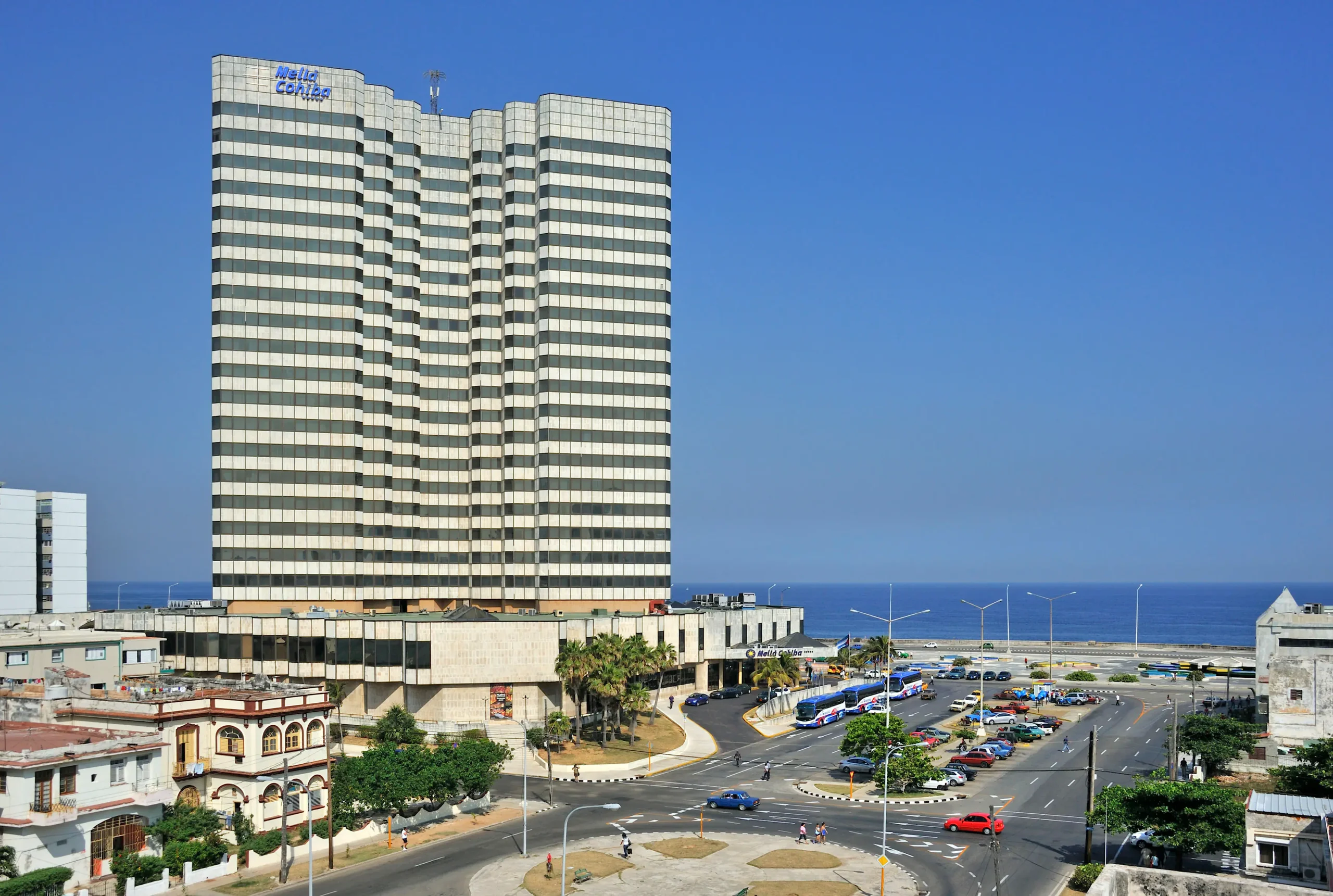
Announcements made during and in the margins of Cuba’s recently ended annual tourism fair FITCuba 2023 suggest that international hotel groups invested in Cuba have confidence that visitor numbers will fully return to 2019 pre-pandemic levels.

Speaking at the fair, Gabriel Escarrer, the Vice Chairman and CEO of Meliá Hotels, said: “We have no doubt that Cuba will recover to pre-crisis levels and will be in a better state than ever before. For this reason, it is essential for us to continue improving our portfolio of hotels on the island; promoting new quality experiences in line with an increasingly demanding demand.”

Escarrer went on to announce four new hotels in Meliá’s Cuban portfolio: the INNSiDE Habana Cathedral, a new 50-room hotel marketed under its INNSiDE lifestyle brand which is intended for “adventurous travellers at an affordable price”; the 188-room Hotel Plaza in Havana, first opened in 1909, as a part of its luxury Meliá Collection portfolio; the historic 178 room Hotel Sevilla, close to Paseo del Prado in Havana; and the 531 room Sol Turquesa Beach in Holguín, which Meliá will manage. 

He also confirmed that the group’s Meliá Trinidad Peninsula, a 400-room five-star hotel in the colonial city of Trinidad will open in the autumn, and that the Sol Caribe Beach, a hotel in Varadero designed for families has just opened. The company, he said, is also upgrading many of its existing properties on the island and adding new facilities such as themed restaurants. 

Meliá was recently reported to now have more than 14,000 rooms in 38 hotels on Cuba.

According to the Spanish hospitality publication, Excelencias, its Cuba-related marketing is particularly focussed on, as priority markets, Canada,  Germany, Spain, and Portugal. The publication noted that it Meliá now has properties in all of the island’s most important destinations including Havana, Cienfuegos, Trinidad, Santiago de Cuba, Holguín, Varadero, Cayo Coco and Cayo Santa María.

Meliá, a privately owned company, is based in Palma de Mallorca in Spain and has been present in Cuba for more than 30 years. It recently reported a 2022 global profit of about US$117mn on operating income of about $1.79bn in revenue. “We want to consolidate all our leadership in countries such as Spain, Cuba, Mexico, Portugal, and Vietnam,” Escarrer recently told the media.

While not investing in Cuba on the same scale, other hotel operators have also expressed confidence of the future of the sector which the island’s Ministry of Tourism says it expects to receive 3.5mn visitors this year. Although the figure is significantly below pre-pandemic levels when the island received 4.3mn visitors, Cuba’s Minister of Tourism  Juan Carlos García recently suggested it is hoping, this year and next, to receive significantly more visitors from Latin America and Russia. (Cuba Briefings 1 and 8 May 2023).

The news agency EFE reported that during FITCuba hotel chains from Canada, Singapore as well as others from Spain and elsewhere in addition to Meliá indicated plans to grow their Cuban portfolio. It quoted the Canadian Blue Diamond Resort hotel chain, which has 28 hotels and nearly 11,000 rooms on Cuba as saying that it was growing in the east in Santiago de Cuba, Camagüey, and Holguín and is seeking to combine its offering with properties Trinidad, Havana, Varadero, and other tourist locations. Rafael Villanueva, a locally based manager, told EFE, “We are very optimistic, we see possibilities and we are hopeful that we will achieve the results that we set for ourselves.”

Banyan Tree Hotels Resorts, a Singaporean company, also has plans to expand its brand in Cuba to Havana. It presently has four properties  located on the northern keys in Villa Clara, as do  the Spanish group Barceló which has three properties on the island, and Iberostar, which presently operates 18 hotels and recently expanded its Hotel Gran Trinidad and opened a new property in Cayo Cruz.

In addition, the Indonesian hotel group Archipelago International now operates five hotel complexes in Cuba and will open a sixth in September, the Grand Aston, Varadero. In addition to two in Havana, the company manages properties in Cayo Paredon in Jardines del Rey, the Aston Costa Verde, in Playa Pesquero, Holguin, and the Grand Aston Cayo Las Brujas, on the northern keys off Villa Clara. It recently said that it has plans to develop tourism to Cuba from China, Japan, and South Korea.

In total Cuba has 81,000 hotel rooms across 42 properties that are operated either as joint ventures or under foreign management contracts, principally with Gaviota, a part of the Cuban GAESA group which usually constructs and owns the properties.

The Caribbean Council is able to provide further detail about all of the stories in Cuba Briefing. If you would like a more detailed insight into any of the content of today’s issue, please get in touch.

Photo: Melia Hotels

8th May 2023

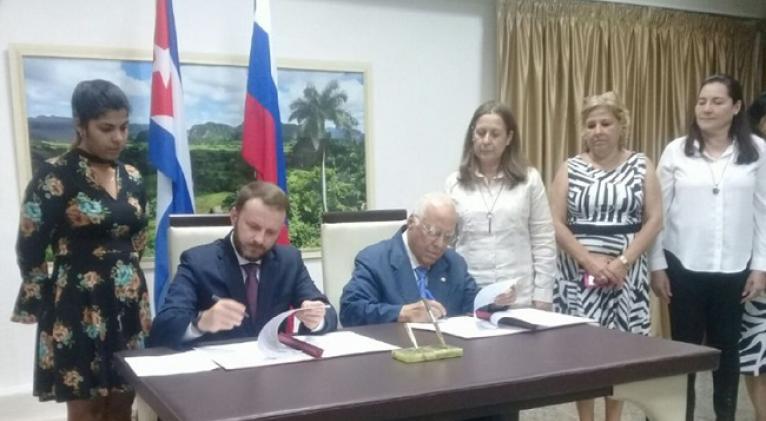
Cuba and Russia have signed a Memorandum of Understanding intended to lead to a deepening of Russian private investment in energy, tourism, food production, civil aviation infrastructure, mining, and the development of sugar as an integrated agro-industry.

At the end of a three-day visit to Havana, Makim Oreshkin, Presidential Adviser for Economic Affairs to the Russian Federation, and Cuba’s Deputy Prime Minister and Minister of Foreign Trade and Foreign Investment, Ricardo Cabrisas, agreed a document that is expected to lead to deeper long-term Russian engagement in the Cuban economy; the development of a new investment relationship with Cuban state enterprise; and an expansion in relations between the two countries.

The Cuban News Agency (ACN) reported that in Havana, Oreshkin discussed “Russian investors effective involvement in Cuba’s Economic and Social Development Program through 2030, in priority sectors.” It quoted Cabrisas as emphasising that the exchanges reflected “the excellent state of bilateral relations” and the political willingness of both governments to “advance rapidly” economic and commercial relations.

During the visit Oreshkin and an accompanying delegation of Russian officials and businessmen representing “companies willing to invest in various sectors of the Cuban economy”, met with the heads of Cuban state enterprises, President Díaz-Canel and other leading members of government.
The Cuban Presidency website noted that President Díaz-Canel, and Oreshkin confirmed that “the intention is to bring the economic, commercial and financial ties between their countries to the same state as political relations.” It also quoted him as saying that the presence of the delegation was “very significant” and as giving “continuity to the exchange of high-level visits that has been maintained in recent months.” It was “one more expression of the deepening of the historic bilateral relations between both governments and peoples,” he said.

Díaz-Canel was also quoted as saying of Oreshkin, “For us it is a satisfaction to receive him on his first visit to Cuba, which was expected and longed for in our country.” “We feel”, he was reported as saying, that there is in “the Russian Government, and in particular in President Putin, an enormous sensitivity towards the problems of Cuba.”

Oreshkin was reported to have said during the meeting the principal focus was on deepening economic relations between the two nations on energy, increasing tourist flows and the investment of Russian companies in Cuba.

In doing so, he referred to the three main work guidelines that have been proposed to strengthen economic relations, among which, he said, the first is energy, and the second the increase in tourist flows to Cuba. He recognised, however, that delivering the “the third area, the most important sector” able to provide long term results, investment by Russian companies, would be “quite difficult.” He noted however that negotiations on investments in mining, agriculture, tourism, infrastructure, and energy were already underway before his visit and will continue.

During their dialogue, Díaz-Canel, was reported to have conveyed an “affectionate greeting to our friend President Putin”, and emphasised, our “unconditional support” and our “firm and systematic denunciation, in all international events, in relation to the conflict orchestrated by the Government of the United States, with the aim of bringing NATO borders closer to inadmissible lines with Russia.” The Russian media platform Sputnik Mundo quoted President Díaz-Canel as saying “We feel that there is enormous sensitivity in the Russian government and, in particular in President Putin, towards Cuba’s problems.”

Also participating in the meetings were Deputy Prime Ministers Ricardo Cabrisas, the Minister of Foreign Trade and Foreign Investment, and Alejandro Gil, the Minister of Economy and Planning.

The Caribbean Council is able to provide further detail about all of the stories in Cuba Briefing. If you would like a more detailed insight into any of the content of today’s issue, please get in touch.

Photo: By Prensa Latina

1st May 2023

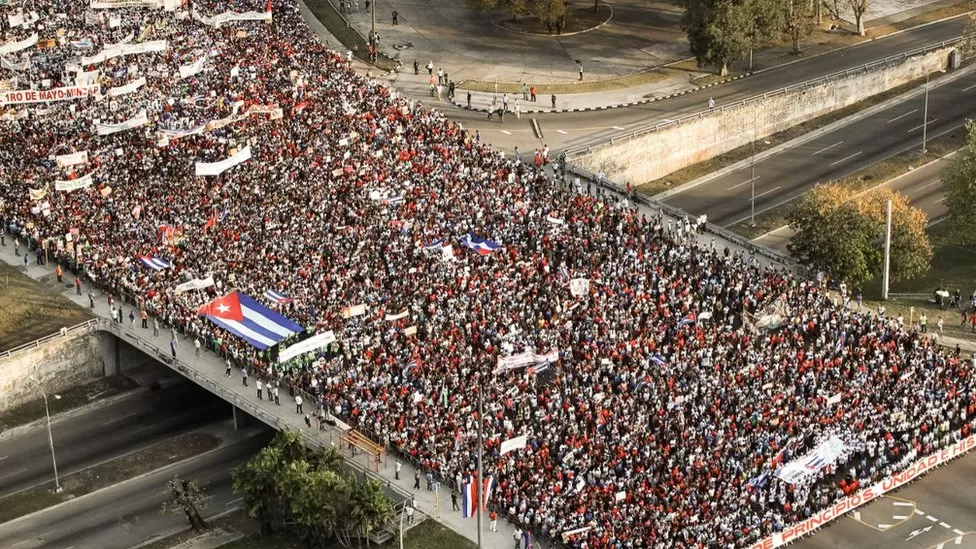
In an indication of the seriousness of the fuel shortages presently facing Cuba, the country’s symbolic mass May Day parade in Havana was dramatically downsized and relocated.

Announcing this just days before it was due to take place, Ulises Guilarte de Nacimiento, General Secretary, of the Central de Trabajadores de Cuba (CTC), the national trades union body, said that in the capital this year’s parade would only involve those from five districts in central Havana and take place on the Malecón rather than in the vast Plaza de la Revolución. Elsewhere, he said, the objective would be to hold assemblies in central locations addressed by local speakers.  He attributed the change of plans to “the complex situation that our country is going through” and “limitations with the issuance of fuel.” 

In almost every year since the revolution, excepting during the pandemic and times of extreme austerity in the 1990s, Cubans have been bussed in, or come to the capital to participate in the May Day parade; arriving eventually in hundreds of thousands in the Plaza de la Revolución to demonstrate their national pride and solidarity, hear speeches, celebrate, and in recent years to be greeted by the country’s political leadership dressed informally.

Speaking about the fuel shortages, Lidia Rodríguez, the Commercial Director of CUPET, was quoted in the state media as saying that gasoline and diesel availability remained low and  rationing and controls had been introduced as the state company was “trying to avoid a total fuel shortage in the country.”

Cuba’s fuel crisis (Details Cuba Briefings 24 and 17 April 2023) is now having a much wider negative effect on the country’s already weak economy and on daily life.

Reports in the national and provincial media indicate that five universities have suspended face-to-face classes  due to the shortage of transport, cultural events have been cancelled, and reports of problems with planting, inputs and agricultural supply have begun to appear in some parts of the country. In addition, the news agency EFE quoted named farmers indicating that the fuel crisis is beginning to affect the country’s already difficult food supply, as a lack of transport is preventing deliveries of fresh produce to farmers’ markets.

To try to address problems caused by fuel rationing, Corporacion Cimex, which is responsible for the sale of fuel in Cuba, has announced a series of measures aimed at trying to restore order in Havana and other locations. “Given the complex situation in the country regarding the availability of gasoline and diesel , and “to avoid dissatisfaction among the population,” it said that it will introduce measures aimed at ensuring that “the constant flow of sales is maintained, without interruptions.”

In doing so, it said it will liaise with the police and the authorities in each territory to restore order. The announcement came after a detailed story appeared in the official La Tribuna de Habana alleging corrupt practices by those in charge of filling stations, disorderly scenes, and pictures appeared on social media of a brawl outside one filling station.

Among the measures introduced are oversight of work shifts; a  ban on filling containers; improving queue management through the introduction of an app; and close liaison with the police and local authorities. It noted that its intention is to “maintain the constant flow of sales without interruptions,” although given the widespread shortages of fuel and rationing it is not clear how it intends ensuring this.

In an unusual departure, Cuba’s state media reported a ship of unstated origin arriving to discharge diesel by ship-to-ship transfer.  The coverage indicated that its arrival at a dock at the Matanzas Supertanker Base was in “compliance with CUPET’s contracts with international suppliers.” The shipment will be for Havana, Camagüey, and Santiago de Cuba, which the reports noted had been suffering from a lack of fuel for days. Officials were quoted, however, as saying that the shipment, did not represent a significant improvement, but did “guarantee stability in vital services in each of the country’s provinces.”

Meanwhile, reporting by news agencies and the international energy media indicate that Cuba is increasingly turning to Russia and Mexico for shipments of diesel and gasoline to supplement dwindling supplies of Venezuelan crude and fuel. They suggest that Venezuela is struggling to meet its own needs, so far only supplying, according to World Energy News, 55,000 barrels per day (bpd), compared to almost 80,000 bpd in 2020.

Separately, Reuters quoted ship tracking data from Refinitiv Eikon noting that Cuba has imported at least five shipments from Russia since November 2022 and others from Mexico’s state-owned Pemex.  It noted that two shipments from Mexico involved crude oil for refining in Cuba for gasoline and one of liquefied petroleum gas (LPG) used for cooking. Other shipments are scheduled from Venezuela the news agency reported. Meanwhile Cuban state media has suggested that the shipment of LPG means that bottled gas for domestic use will gradually become widely available to consumers

The Caribbean Council is able to provide further detail about all of the stories in Cuba Briefing. If you would like a more detailed insight into any of the content of today’s issue, please get in touch.

Photo: Getty Images