Cuba Briefing
The Caribbean Council's Exclusive Publication on Cuba

The Cuba Briefing is your news and insight resource for the latest developments in Cuba.

Published since the mid-1990s, Cuba Briefing is an unparalleled resource of detailed analysis on economic, social and political developments going on inside Cuba including analysis on the Cuban government’s priorities and policy developments towards foreign investors, economic reform, and the growth of the private sector.

Cuba Briefing is produced on a weekly basis by David Jessop, the director and founder of the Cuba Initiative and Non-Executive Director of the Caribbean Council, providing expert insight and a longer term lens on week-to-week developments in the country.

Don’t miss out on the latest news business and opportunities from the region. Subscribe to receive the Cuba Briefing Publication directly to your inbox. Subscribers receive 23 editions over 12 months. Click to Subscribe.

Leading Articles Featured in Cuba Briefing

3rd October 2022

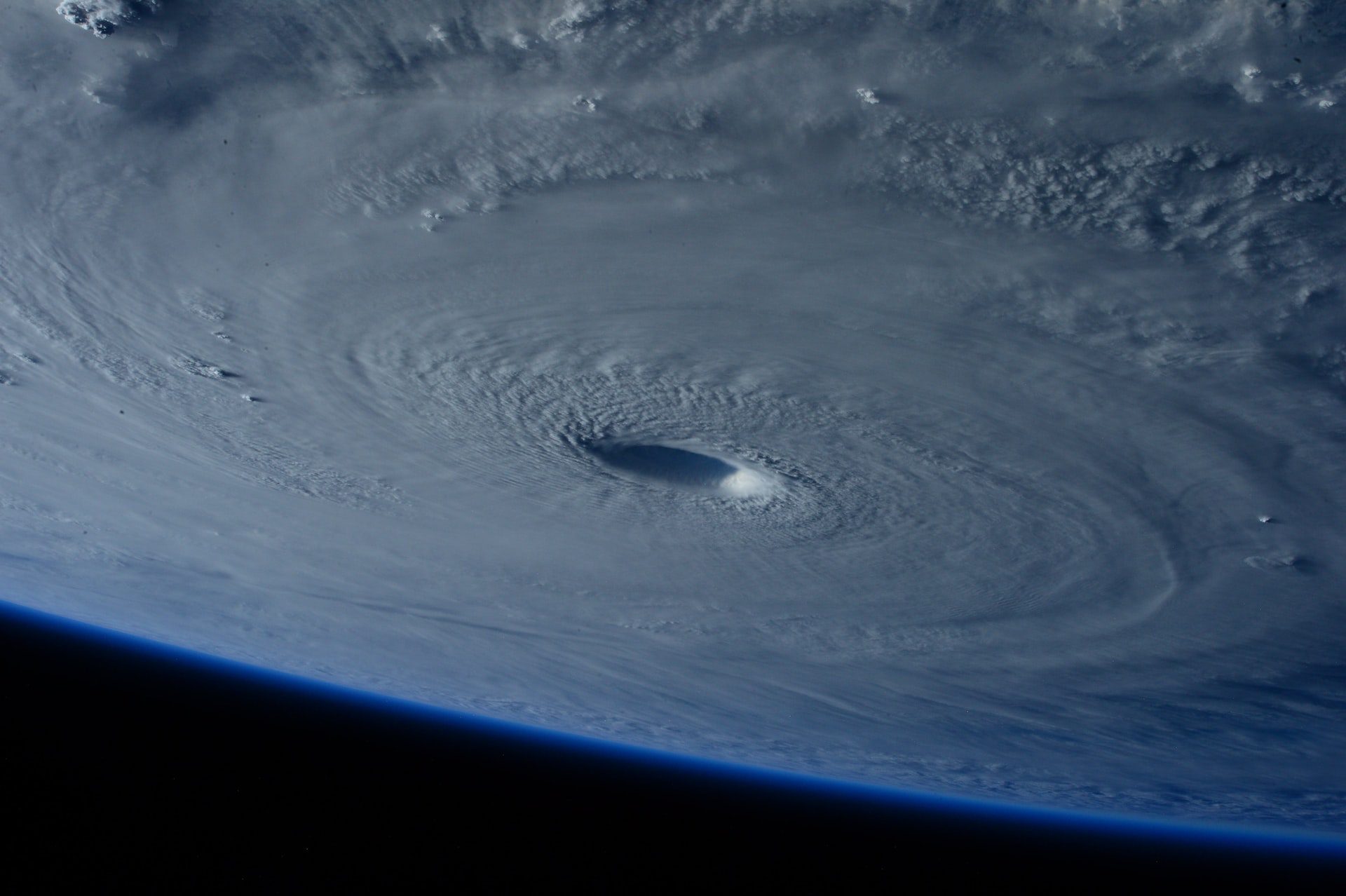
One week after Cuba was hit by a category three hurricane, Havana and some parts of the country are gradually beginning to return to normal. However, swathes of the island remain without power, adding significant pressure to the Government which is already under criticism for increasingly frequent power outages and shortages of basic goods including food.

Hurricane Ian struck Cuba on 26 September, devastating the eastern province of Pinar del Rio, and severely affecting the provinces of Artemisa, Havana, Mayabeque, and the special municipality of Isla de la Juventud. It left in its wake three people dead and extensive damage to crops, power and water infrastructure, housing, and factories.

Across Havana and some provincial cities, sporadic street protests have broken out in response to the continuing blackouts with some protestors returning to earlier calls from last year’s protests for “Libertad”. The protests were mainly in densely populated districts, including some of the more prosperous areas of Havana. Reuters indicated, based on its monitoring of social media, that such protests continued through to a fourth night on the 2nd October having erupted on the evening of the 29th.  The extent and size of the protests is unclear but most appear to involve relatively small numbers of people.  

Officials said that it was hoped that power would be fully restored in the capital by 3 October, but many other areas of the country particularly in the west largely remain without power.

In an unusual departure, indicative of the severity of the damage caused at a time of shortages, foreign exchange scarcity, and ongoing efforts to fully restore the country’s aging power generators (Cuba Briefing 26 September 2022), the Cuban government has sought emergency assistance from the US.

First reported by The Wall Street Journal, Cuba’s government made a rare request to Washington for help following the hurricane. Quoting email communications, the publication said that US officials were still seeking more detail from the government in Havana to try to determine how much assistance might be needed if Washington were to provide aid relating to hospitals, water pumping facilities, sanitation, and other critical infrastructure.

In other hurricane related developments, emergency assistance has been forthcoming from Mexico and Venezuela; Gustavo Petro, Colombia’s President has offered his country’s support; Cuba’s aviation authorities have confirmed that all Cuba’s airports are now open; Etecsa, Cuba’s state telecommunications company, has said that Hurricane Ian effected 40 percent of its base stations and seven percent of telephone services in Cuba, and that recovery work is continuing; and Cuba’s media have reported that a significant number of vessels in the Pinar del Rio based fishing fleet that obtains 40% of Cuba’s lobster catch has been damaged, affecting exports.

Speaking on 30 September in his capacity as President of the National Defence Council, President Díaz-Canel, said that external groups and especially those based in the US were active on social networks seeking in the “midst of this situation, social outburst.”  He told participants that this made it fundamental that recovery work in the most hard-hit regions proceeded “more efficiently and more effectively,” and that care for those most effected be provided equally.

He also said that the recovery process must be fully explained. Noting that “at the moment we have limitations in providing information to the population through traditional means, as the electrical service was effected,” he told Defence Council members that it was vital that information be provided directly to the people.

“We have to establish it as a systematic method of work, especially where the greatest damage caused by the hurricane is – which is where recovery will take the longest,” the Presidency website quoted him as saying. The severe impact of the hurricane and the Cuban Government’s concerns about social stability, come on top of shortages of food, medicines and foreign exchange, and an energy crisis that has affected Cuba for months. Prior to the hurricane, Unión Eléctrica reported an electricity generation deficit of up to 38% and blackouts throughout Cuba for up to twelve hours a day as a consequence of a significant number of power plants being out of service for maintenance.

Photo by NASA 

The Caribbean Council is able to provide further detail about all of the stories in Cuba Briefing. If you would like a more detailed insight into any of the content of today’s issue, please get in touch.

26th September 2022

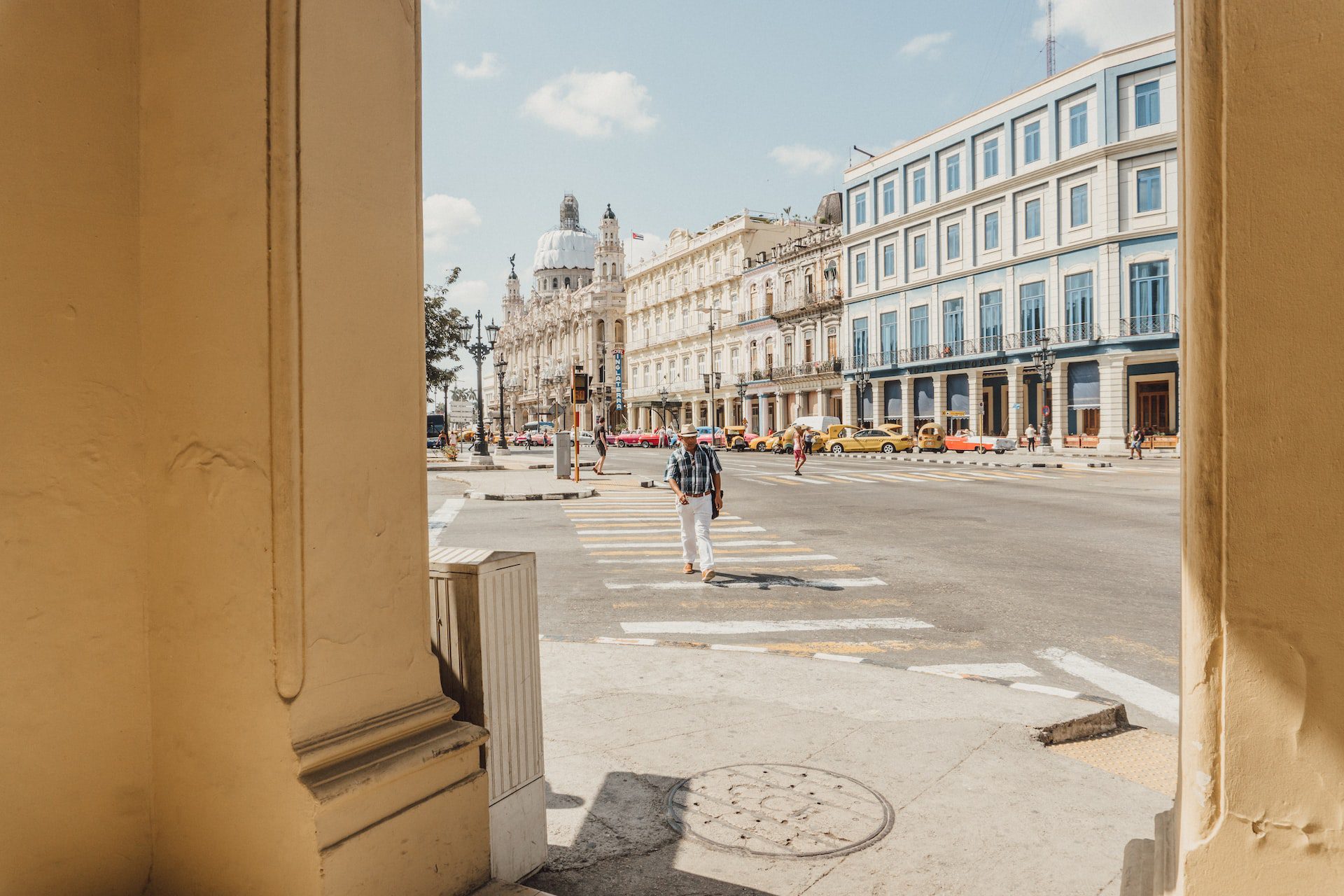
Cuba’s Prime Minister, Manuel Marrero, has said that while Cuba will continue to promote itself as a sun and beach destination it will be placing greater emphasis in future on nature and other alternative forms of tourism.

Speaking at the opening of Turnat 2022, Cuba’s annual tourism and nature event, Marrero, who was formerly the island’s Tourism Minister, suggested that the opportunity for tourism relating to the natural environment was “of immense magnitude.”

“We have advanced on the path of knowing how to appreciate it, take care of it and develop it, and in a sustainable way begin to make it known, commercialise it. And we are making good steps, although we must recognise that we still have a long way to go to exploit the immense potential that we have,” he told the forum’s participants.

In his remarks, Marrero indicated that a part of the future emphasis would be on tourism that touches together the beach, nature, culture, and history. The need now, he said, was to perfect and promote tour tourism. Not only was this in great demand, he said, but it offers the client a more complete vision of what the Cuban tourist product is. He cited as an example the recovery and preservation of the first villages founded by the Spanish as cultural and heritage destinations, observing that young people internationally were interested in historic tourism.

Marrero also told participants at Turnat that Cuba had yet to fully exploit its potential in relation to health, sport, gastronomic and bar tours, all segments that Cuba must compete in, he said. He indicated that other areas for development being actively developed are agrotourism, accessible tourism, and adventure tourism.

In his remarks he recognised the importance of quality to those who want to experience Cuba’s natural environment. “There are existing projects, and others that are underway of great quality” he said. But this will require, he stressed, “purging and conceptualising each one of the destinations” and “engendering through training and promotion, the culture of nature in all actors and  communities.”

Turnat 2022 brought together representatives of travel agencies, tour operators, as well as nature, adventure, rural and accessible tourism operators from multiple countries and from within Cuba.

Photo by Jeremy Bezanger

The Caribbean Council is able to provide further detail about all of the stories in Cuba Briefing. If you would like a more detailed insight into any of the content of today’s issue, please get in touch.
19th September 2022

Cuba’s state media has begun to carry reports about shortages of bread and medicines and to publicly voice the concerns of many Cubans.

In an unusual departure, the official publication Cubadebate has criticised the scarcity, high price, and quality of bread in Cuba, and the absence of any response from the ministry concerned.

The online platform noted that reports in official newspapers including Tribuna de La Habana had indicated that new restrictions on supply would be introduced because of delays in the arrival of wheat and flour and the high cost of maritime services. Despite this, it said, the Ministry of the Food Industry (MINAL ) had indicated that “there are no effects on the production and distribution of bread from the regulated family basket and from the Cuban Bread Chain.”

The publication went on to note: “The reality is different. Bringing said food to the table has become an odyssey for Cubans, once again,” before observing that not only is the quality of the product poor, but on occasions in some territories it was no longer possible to buy the guaranteed ration.

The story’s three authors wrote that “with the aim of clarifying the doubts of the population on the subject, on 31 August Cubadebate formally sent an email to the communication department of the Ministry of the Food Industry to request interviews with the directors of the Cuban Bread Chain, but up to the time of publication on 14 September had been told they were still “processing the request”.

Meanwhile, “the unrest in the population persists, and bread is seen less and less and is more and more expensive,” Cubadebate wrote.

The publication attributed aspects of the problem to resellers taking almost all the standardised bread produced reducing the availability of the guaranteed basic basket; a failure to stop this by decision makers; non-state bakeries consequently increasing the price of a bag of bread to between CUP150 and CUP200; and the inability of state bakers to make up in the following days the supply guaranteed to all Cubans. “This is the classic tale of the snake biting its own tail,” the official publication wrote.

Meanwhile, the President of BioCubaFarma, Dr Eduardo Martínez, has said that the flagship institution is trying to address medicine shortages and to restore production stability in the supply of medicines required by Cuba’s National Health System.

Speaking on the television program Mesa Redonda, he said that of the 996 products it manufactures, 757 are destined for public health including vaccines, medicines, diagnostic systems, equipment, medical devices, and other items. However, several factors were causing BioCubaFarma to not have enough resource to maintain production. Indicating that 94% of the cause of the present shortages of medicines was a lack of raw materials and other requirements for production, he told viewers and listeners,  just 6% related to stoppages due to breakdown or  maintenance

In 2021, he noted, 50% of financial and material resources were used to produce drugs for COVID-19, and to develop and produce vaccines. This had meant that it was not possible to produce the full range of drugs to ensure  basic requirements.

Martínez went on to say that multiple additional problems now faced the full recovery of the sector. These included: not having the necessary and timely financing to acquire inputs; problems with payments to suppliers due to the refusal of international banks to work with Cuba; suppliers ending their supply due to the US embargo; a global deficit of some raw materials and materials for pharmaceutical use; and problems with international logistics.

Martínez also indicated a part of the US$200mn obtained from the sale internationally of Cuba’s Soberana and Abdala vaccines has yet to be received. “In the last months of last year, we managed to export a good amount of vaccines, for more than US$200mn. Today, nine months later, we have not been able to receive much of that income, because there is no way for the money to arrive here. This is income that was planned to buy medicines,” Martínez told viewers.

During the programme Tania Urquiza, the Vice president of BioCubaFarma, referred to the difficulties being experienced in producing essential generic drugs.

In her remarks, she indicated that in the case of 12 of these “there is concern that by the end of the year the raw materials will run out”, observing BioCubaFarma and the government  was “ working intensively with suppliers to guarantee their arrival in the country.” The drugs concerned are antihypertensives, diuretics, anticoagulants, Metformin for diabetes, Isosorbide Dinitrate for heart failure, and two aerosols for asthma.

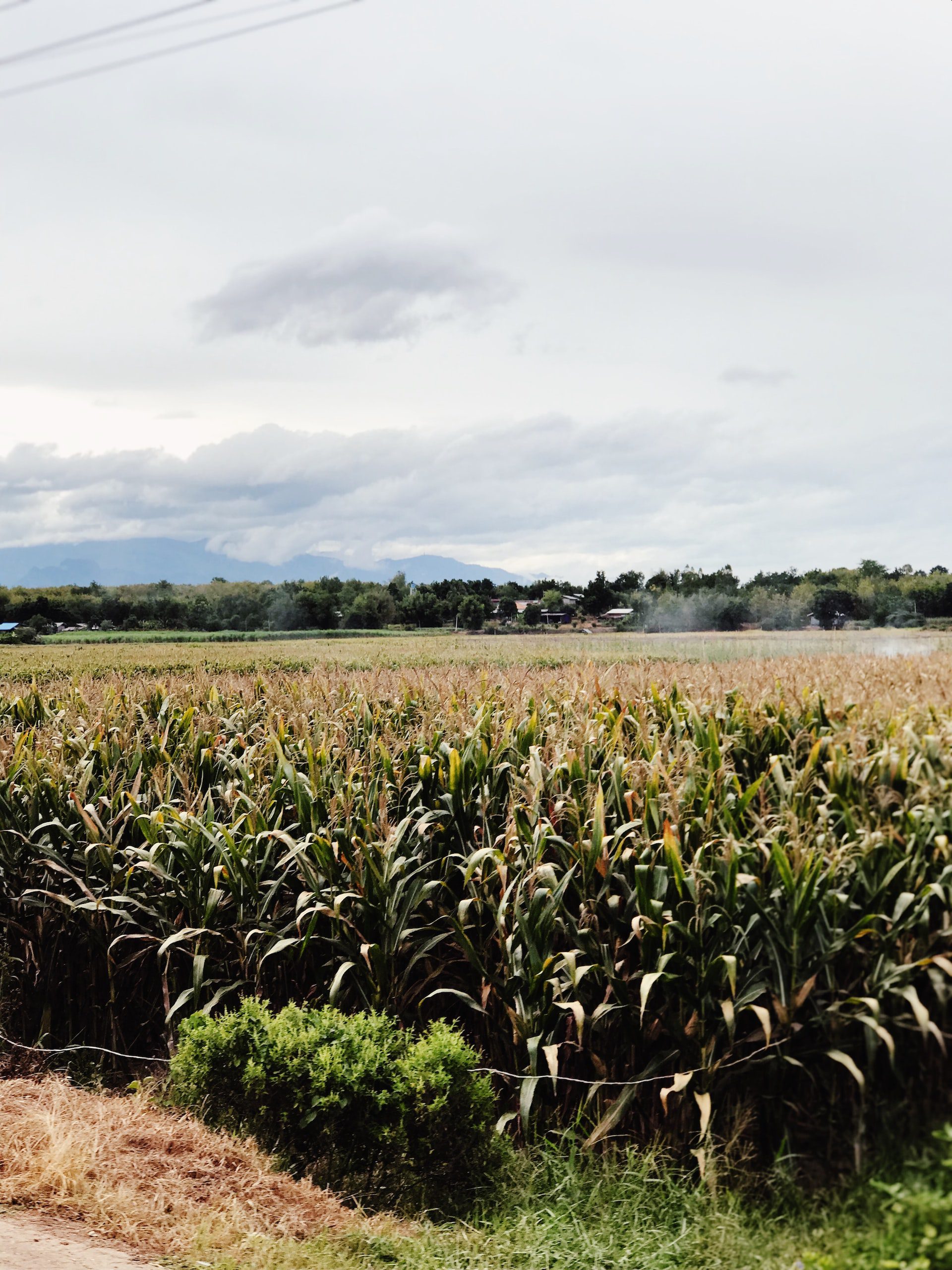
Photo by Polina Kuzovkova 

The Caribbean Council is able to provide further detail about all of the stories in Cuba Briefing. If you would like a more detailed insight into any of the content of today’s issue, please get in touch.

12th September 2022

President Díaz-Canel has told a meeting to evaluate the preparations for the 2022-2023 sugar campaign, that the harvest which is due to begin in mid-November will involve just twenty-three sugar mills, must be efficient, and have a level of resources that guarantees stable production.

Speaking by videoconference to the Communist Party and government leadership in the thirteen territories involved in sugar production, Cuba’s President, Prime Minister, Manuel Marrero, and Vice President Salvador Valdés all stressed the national importance of delivering the innovative approach agreed for the coming campaign.

Meeting reports confirmed that plans for this year involve the milling of just 6.6mn tons to produce 0.46mn tons of sugar to meet the requirements of the country’s guaranteed family food basket, tourism, industrial production including rum and alcohol, and for medical purposes. It would appear unlikely that much if any will be available for export.

According to Julio Andrés García, President of AZCUBA, the 2022-2023 harvest will differ from the past as it  will concentrate resources in fewer mills to achieve greater efficiency. This will involve, he told Cuba’s state media, an approach that is objective, flexible, and involve best practice, concentrating resources in fewer plants to achieve greater efficiency. He also noted that this year’s campaign involves “a new business model, where the planning is financial and not only [about] measuring sugar production, [but] considering the circular economy as a priority, as well as science and innovation.”

He also reportedly stressed that “whatever real financing that may be available” must be used to guarantee production for internal consumption, derivatives including animal feed and alcohol, and to enable the export of value-added products if strong prices prevail in the international market.

In other remarks, Deputy Prime Minister Jorge Luis Tapia noted that while there had been a good response from sugar producers, maintaining discipline in the sector was essential, as would be “the quality and certification of the repairs undertaken by the AZCUBA technical teams.” He also noted that much would depend on the ability of mills to grind, as without this, workers in the fields would not be motivated by what they hoped to earn.

Tapia also made clear that constant monitoring by AZCUBA directors and the main authorities in each province of the repair and maintenance work in mills not grinding this year was essential to underwriting future recovery and Cuba’s plans to develop a fully integrated sugar sector.

Speaking earlier, during a visit to the province of Villa Clara to inspect preparations for the coming harvest, Tapia was reported to have stressed the need to “unblock the bureaucracy that exists in the sector to deliver material resources” to guarantee “the existence, availability and needs of Villa Clara’s factories.”

In the 2021-2022 harvest some thirty-six mills were involved in grinding about 6mn tons of cane to produce  0.48mn tons of sugar, a historic low. Cuba had 156 operating factories in 1959 which produced 5.6mn tons of sugar, a figure that at its peak rose to 8mn tons.

The Caribbean Council is able to provide further detail about all of the stories in Cuba Briefing. If you would like a more detailed insight into any of the content of today’s issue, please get in touch.
Photo by Milly Vueti 

5th September 2022

Cuba’s Deputy Trade Minister, Ana Teresita González, has confirmed that foreign investors will in future be allowed to own local wholesalers and establish public/private ventures in retail.

The measures which are subject to various restrictions and controls, effectively opens the door for the first
time since the Cuban revolution in 1959 to foreign participation in Cuba’s domestic market.

Speaking on the television programme Mesa Redonda, González provided more detail on comments made by the Minister of Economy and Planning, Alejandro Gil, to Cuba’s National Assembly in
late July (Cuba Briefing 26 July 2022).

The Deputy Trade Minister confirmed that for the first-time foreign investors will be able to enter the Cuban market through the establishment of wholesale joint ventures, and that there
would be a more restricted opening on a selective basis for some public/private ventures in the retail sector.

Making clear that the decision to introduce the changes should not be seen independently or in isolation from other recently announced measures to progressively support the recovery of the Cuban economy, González told viewers that they were intended to address shortages in the domestic market and the need to stimulate the wholesale trade.

Justifying the change in policy, González said that the participation of foreign investment could bring greater access to supply markets, “attracting financing, equipment, methods of administration, [and] the use of innovative techniques for logistics management.”

The new measures would see, she told television viewers, the promotion of wholesale trade through foreign investment throughout the country, and wholesale foreign investment businesses being used for the sale of raw materials, supplies, equipment, and other goods that contribute to the development of national production. They will also enable, she said, the selective creation of joint ventures under the foreign investment law to carry out retail trade activities that “allow for greater efficiency” in the supply
of finished goods including food and sanitary products, and the installation of electricity generation systems from renewable energy sources.

“We want these measures to have an immediate impact on shortage problems and help improve offers in stores in MLC and in national currency,” González said.

Her remarks revealed that the new entities will be encouraged to pre-finance national producers able to become suppliers, or those presently unable to make use of installed capacities to produce goods due to a lack of financing. The objective, she said, is to pre-finance these national producers so that, in time,
they deliver finished goods to “foreign investment modalities” for sale on to the national market to increase supply.

González indicated that once established joint ventures with foreign capital will be able to sell and wholesale products and that “a differentiated financial scheme” will enable the stability of supply chains to be guaranteed.

She also announced that, government will use the liquidity that the country obtains from taxes and other income associated with these businesses to stimulate national production, support imports of products, and their marketing in Cuban pesos.

“These are decisions that substantially modify the role that has been given to foreign investment in internal trade and will be accompanied by adequate control and monitoring mechanisms to guarantee that these measures are effective,” she stressed.

Others speaking on the programme emphasised that the Cuban State would continue to regulate and control foreign trade and that the state entities that act for independently managed Cuban companies in relation to the import of raw materials and exports of finished goods and services will be strengthened.

Other measures announced include:

• Allowing “certain non-state economic actors” to directly carry out foreign trade activities “under the control of Mincex” based on specific criteria, starting with “the entities that export computer services.”

• Granting limited import authority to state and non-state entities able to market products and services at lower prices to the Cuban population.

• Providing “differentiated and executable [financial] flows for import and export” so as not to place pressure on the country’s foreign currency requirement,

• The creation of a working group led by Mincex to evaluate all forms of non-state management seeking to directly execute foreign trade.

The Caribbean Council is able to provide further detail about all of the stories in Cuba Briefing. If you would like a more detailed insight into any of the content of today’s issue, please get in touch.
Photo by Juan Domenech

Photo by Charles Corbin

25th July 2022

The Cuban economy is expected to grow by 4% this year, according to Alejandro Gil, the Minister of Economy and Planning.

Addressing members of Cuba’s National Assembly, Gil said that up to the end of March the economy grew by 10.9% compared with the same period in 2021 but is still 7.3% below where it was in 2019. Stressing that the goal is gradual economic recovery following a period of near paralysis during the pandemic, he told legislators that the objective is “to reach the levels of activity that we had in 2019.”

In his address he said that gradual recovery began in 2021. After two years of contraction in 2019 and 2020, GDP grew at constant prices by 1.3% last year. Although the economy had been growing in 2017 and 2018 by 1.8% and 2.2% respectively, the tightening of the US embargo had resulted in 2019, he said, in a contraction by 0.2%, and again in 2020 by 10.9%, because of the national lockdown caused by the pandemic.

In his remarks he warned that economic recovery will be slow, because “we have a blockade, we are coming out of COVID-19, with inflation in the world, and in a complex global economic environment.”

Gil said that in the first quarter of the year the export of goods increased by more than US$300mn, mainly due to high nickel prices on the world market. Other sectors making a positive contribution, he noted, were sugar, despite the harvest’s overall outcome being well below plan, honey, tobacco, rum, biopharmaceuticals, and telecommunications services.

Speaking about tourism, Gil indicated that the goal of receiving 2.5mn visitors in 2022 remained. “It is a key factor in this year’s recovery. We do not have a substitute source for that income.” Addressing members of the National Assembly, he said that overall, foreign exchange earnings in the first half of this year amounted to more than US$2.5bn, a sign of recovery. He noted however, that the figure was US$1.5bn below such receipts in the corresponding period in 2019.

Looking ahead, he said that the objective was “to reach 2019 levels as quickly as possible.” However, Gil warned that achieving this depended on both the behaviour of the world economy and the delivery of planned actions in Cuba.

In his comments he noted also that the importation of food and fuel had resulted this year in a overspend above that budgeted of at least 50%; that there had been a slight recovery in agricultural production, although supply was “well below demand”; and that the “complex situation” with energy, the supply of diesel fuel, and with power generation persisted, “slowing the recovery of the economy.”

Speaking about inflation in the official economy, Gil said that this stood at 77.3% in 2021 and at 28.8% for the first six months of this year.  He recognised however that these figures hid the difficulties faced by most Cubans who had to purchase food and other items on the informal market where prices and inflation can be much higher.   

On the measures taken so far, Gil said that they had been limited in their effect and that more effective actions were required within Cuba’s social context. Such measures, he said, must be “objective, consistent and adjusted to our possibilities,” and take into account productivity, scarcity, a lack of foreign currency, addressing the fiscal deficit, and imported inflation.

Although no reliable statistics exist, most analysts put price inflation in 2021 in the country’s informal economy at somewhere between 600 and 700%.

New measures aim to ease shortages

In his remarks Gil unveiled a further package of measures aimed at trying to stimulate the Cuban economy, increase investment, address the severe impact of the US embargo and sanctions, and the impact of shortages of essential items.

In doing so, he announced the further easing of restrictions on personal imports by individuals, the possibility that foreign entities may before long be able to invest in non-state enterprises, and government’s intention to re-establish an official foreign exchange mechanism for the US Dollar at a rate still to be specified.

Speaking about easing foreign exchange restrictions, he said that a new exchange market for the sale of foreign currency to Cubans will be introduced at an exchange rate “economically based and where we can work with all currencies, including dollars in cash.” It will, he said, operate at “differentiated prices” to allow the State to capture the currencies that are circulating in the economy. It will also be available to international travellers.

Gil said that the details of this were being finalised and the risks evaluated with the objective of increasing Cubans’ purchasing capacity in Cuban pesos (CUP). The new measures, he stressed, did not mean dollarisation of the Cuban economy but were intended to fill a missing element in the monetary and economic reform process.

Other economic measures to be introduced include:

  • Establishing a regulatory framework for foreign investment in the non-state sector
  • Resizing the state’s budgeted sector
  • Stimulating electronic commerce.
  • Authorising Correos de Cuba to undertake cross-border electronic import-export activities
  • Allowing products offered by foreign and national suppliers to be marketed on a consignment basis
  • Implementing a new scheme for the access and allocation of foreign currency to state and mixed enterprises
  • Continuing to expand secondary foreign exchange allocation schemes for state and non-state economic actors
  • Encouraging the emergence of a greater number of export-oriented state MSMEs
  • Increasing the establishment of mixed state-private companies.

Gil also announced a wide range of other measures aimed at supporting the Cuban population by  easing restrictions on the non-commercial importation of goods by individuals, while outlining a range of social initiatives to support the most vulnerable.

The Caribbean Council is able to provide further detail about all of the stories in Cuba Briefing. If you would like a more detailed insight into any of the content of today’s issue, please get in touch.
Photo by Wolf Shcram

18th July 2022

Cuba and Mexico are hoping to significantly deepen their investment and trade relations following a two-day Cuba-Mexico Business Forum held in Havana.

The event was attended by some 80 Mexican and 150  Cuban companies including independently managed Cuban MSMEs. It saw 14 cooperation agreements signed in the areas of food and textiles, information technology, environmental and renewable energy, and for the provision of professional, academic, and cultural services. Cuban reporting indicated that further announcements are likely when other negotiations are completed.

Participating Mexican companies were drawn from the country’s agri-food, logistics, tourism, transportation, renewable energies, culture, biotechnology, and pharmaceutical sectors. Unusually Cuba’s media have begun to publish outline details of some of the agreements reached between the Mexican and Cuban entities concerned.

The event reflected the interest of both governments in deepening economic and commercial relations to parallel the wide-ranging political support offered by Mexico’s President, Andrés Manuel López Obrador, when he visited Havana in early May (See Cuba Briefing 16 May 2022) .

Describing the agreements signed as “just a starting point to expand ties,” Cuba’s Minister of Foreign Trade and Investment, Rodrigo Malmierca, told participants attending the closing ceremony that direct contact between the Mexican and Cuban business communities made it possible to promote the development of bilateral economic relations.

“We have seen Mexican investment in Cuba, Cuban exports to that country -and vice versa- and participation in local development projects,” he said, observing that the Forum had provided a sample of the untapped potential that both nations have. To further develop economic relations Malmierca encouraged the Mexican business community to participate fully in FIHAV2022 in November.

Also speaking, the Mexican Undersecretary of Industry and Commerce at the Ministry of Economy, Héctor Guerrero, described as “strategic and fundamental” the boost that the agreements signed during the forum provided. “We need to create a very strong pull economy between both parties to incorporate other sectors,” he said. In a statement to the press, he highlighted Mexico’s intention to expand the presence of its business community in Cuba, and thereby become an important actor on the island.

Earlier, at the opening of the event, Cuban Deputy Prime Minister, Ricardo Cabrisas, said that the event represented a golden opportunity to give continuity to the agreements signed between the two governments. Observing that Mexico’s President “had very profound expressions and proposals that further consolidate bilateral relations,” he described as “dignified and courageous” López Obrador’s decision not to participate in the recent Summit of the Americas in solidarity with Cuba and the other countries not invited.

Also speaking, the President of the Cuban Chamber of Commerce, Antonio Carricarte, described Mexico as a natural market for Cuba due to its geographical proximity, requiring less extensive and onerous logistics,  and as enabling, due to its economic potential and diversity, the supply of raw materials and products Cuba needs.

Currently, eleven businesses from Mexico operate inside Cuba, three companies in the Mariel Special Development Zone, four as international economic associations, five as joint ventures, and two that are wholly owned by Mexican capital. The two nations have an Economic Agreement offering  tariff preferences. Mexico is one of Cuba’s principal trading partners, although behind Venezuela, China, and Spain.

In an indication of the strategic importance being given to the development of a much stronger economic relationship with Mexico, the Forum’s opening was attended by President Díaz-Canel, the Prime Minister, Manuel Marrero, Deputy Prime Minister, Ricardo Cabrisas, and the Ministers of the Economy, Alejandro Gil, and Foreign Trade and Foreign Investment, Rodrigo Malmierca.

The Caribbean Council is able to provide further detail about all of the stories in Cuba Briefing. If you would like a more detailed insight into any of the content of today’s issue, please get in touch.

Photo by elCarito

27th June 2022

Cuba has reported a continuing gradual increase in visitor arrival numbers. This is despite the almost total loss of the Russian market after March because of western sanctions following President Putin’s decision to invade Ukraine.

The Cuban National Office of Statistics and Information (ONEI) has published figures showing that the overall number of international travellers arriving in Cuba in the first five months of 2022 stood at 564,847 compared with a pre-pandemic figure of 2.3mn over the same period in 2019. In 2021 the figure for the same five months was 88,210. In addition, some 121,285 Cubans resident abroad visited in the first five months of this year compared with 10,271 in 2021. Cuba regards such visitors as returning Cubans. Some 573,944 international travellers visited Cuba in 2021.

ONEI figures indicate that Canada has resumed its place as Cuba’s leading source market, with 182,733 visitor arrivals over the five-month period, followed by Cubans residing abroad. Spain, a major source market for Cuba in previous years, ranked fifth after Russia, before visitor arrivals from that source all but ended in April. Other leading markets in descending order were the US, Germany, the UK, France, and Italy. The ONEI statistical summary to the end of May can be found at http://www.onei.gob.cu/sites/default/files/llegadas_de_viajeros_y_visitantes.mayo_2022.pdf

Cuba’s Ministry of Tourism says that it now expects to receive some 2.5mn visitors this year and receive about US$1.12bn in foreign currency earnings. In May at its international tourism fair, FITCuba, the Prime Minister, Manuel Marrero, told participants that he expected tourism to only fully recover in 2024. 

Meanwhile, a meeting has taken place exploring how the country’s tourism product might be diversified to respond to changing visitor interests.  

A three-day International Seminar on Journalism and Tourism held in Havana brought together Ministry of Tourism (Mintur) officials, experts, academics, and journalists as well as industry representatives to discuss the future development of the industry.

Speaking at the event, Professor José Luis Perelló, a leading Cuban tourism expert, told participants that rather than speak about recovery after the pandemic, the need now was to speak of a rebirth. In doing so, he said, it would first be necessary for Cuba to consolidate its position as a destination for sun and beach tourism. Observing that by 2030 Cuba would have in total 95,000 rooms, 28% of which would be in Havana, he observed that it was vital Cuba recognised that there is a new traveller who does not watch television, books their own flights, selects their hotel, and organizes excursions using their mobile phone. 

Perelló also stressed that since few Caribbean stayover visitors travelled to more than a single destination, Cuba was competing against thirty regional tourist destinations for a relatively fixed market share. He also noted that for the sector to be sustainable it would be necessary to develop other industries supporting the sector while continuing to import essential products not produced in the region.

Other sessions noted the changing structure of the present product. In one, Alexander Sierra, Director of Development at Mintur, noted that of the 77,800 hotel rooms presently available 44.5% have a five-star rating and 29.6% four-stars.  Overall, he said, 48% of properties belong to the state entities Grupo Gaviota, 22% to Cubanacán, 18% to Gran Caribe and 12% to Islazul. Of these figures, 50,000 rooms are managed by foreign hotel companies, mainly Meliá, Iberostar, BlueDiamond, Roc, Barceló, Blau, Kempinski, Accor, NH, Axel, Be Live and Sirenis.

The Caribbean Council is able to provide further detail about all of the stories in Cuba Briefing. If you would like a more detailed insight into any of the content of today’s issue, please get in touch.

Photo by Max Letek

20 June 2022

A week-long series of meetings held between Government and those running independent medium, small and micro enterprises (MSMEs) have indicated both the significance of their future role, and the complexity of their development in a planned economy.

Jornada Econômica Produtiva Cuba 2022, organised by the National Association of Economists and Accountants of Cuba (ANEC) and the Cuban Chamber of Commerce, saw from 7-14 June, meetings, debates and workshops take place on a face to face and virtual basis with the Ministers of Agriculture, Construction, Internal Trade, the Food Industry, Foreign Trade and Investment, and other national economic entities.

According to Cuba’s state media, the event saw newly independent enterprises discuss the difficulties, and challenges they face, and ministers emphasise the potential of the entrepreneurial sector.

The often-detailed reporting highlighted participating MSMEs’ principal concerns as related to obtaining financing and foreign exchange, the bureaucracy, taxes, shortages of raw materials, and ignorance of the new regulations by the authorities and state enterprises.

Prensa Latina reported that from a government perspective the fundamental focus was “on the search for ways to replace imports, increase exports, boost foreign investment and satisfy the needs of the population through production chains”, as well as the role of the new economic actors “in their relationship with other forms of production.” It quoted the First Vice Minister of Economy and Planning, Leticia Morales, as saying: “The conference helps to articulate the views of different actors and implement development strategies at all levels, while contributing to the economic transformation that the country is going through.”

Reporting on the discussions that took place, Cubadebate noted that nine months after authorising the creation of MSMEs on the island “there are still difficulties to be solved, despite progress in the inclusion of these economic actors in society.” Of these, the media platform indicated, the most significant remains the ability of independently managed enterprises to raise financing. It also noted difficulties in obtaining foreign exchange to obtain inputs and raw materials, sometimes difficult or uncomprehending relationships with state enterprises and parts of the bureaucracy, and more general complexities in trying to develop businesses at a time of shortages and the devolution of government decision making to the provinces and municipalities.

The reporting implied that Ministers had few immediate answers and still needed to find ways to close the gap between their national priorities and often small, very local difficulties.

During the conference, the Minister of the Food Industry, Manuel Santiago, stressed the importance of prioritising the use of local inputs, the need to produce more with what is in the country, and to seek at the local level solutions to problems that prevent the further progress of the new economic actors. However, the reports noted the problem of developing the reliable linkages required, at a time of national shortages, referencing the problems faced by a company from Villa Clara that feared losing a large quantity of mangoes due to the lack of sugar for processing and of packaging.

In another reported exchange about bureaucratic obstacles, fines, and relations with state enterprises that “go against the development of a company,” the Minister of Internal Trade, Betsy Díaz was quoted as advising the enterprise to “seek legal advice.”

Closing the weeklong series of events, Cuba’s Minister of Foreign Trade and Foreign Investment, Rodrigo Malmierca,  stressed the importance of seeking creative solutions to increase income from exports and to make savings for “the effective substitution of imports.” MSMEs, he said, together with cooperatives had become a necessary element in the process of economic revitalisation. Stressing the importance of linking such enterprises with socialist state companies, he told participants, “this is vital for the growth and development of our economy.”

Cuba now has some 3,765 independently managed MSMEs which can be owned and run on a private, state, or mixed basis. Of these 3,660 are private. Some 55% are conversions of pre-existing businesses and 45% are new ventures, the majority being in Havana and Granma provinces, and are principally in services, manufacturing, and construction.

In a recently published commentary, Dr Augustin Lage, one of Cuba’s most respected scientists and now an advisor to the President of BioCubaFarma, set out the political justification for further developing Cuba’s independent business sector. Observing that “For the first time in decades we have more private companies in Cuba than state companies,” he went on to note that rather than “demonising non-state MSMEs, or putting obstacles to their emergence,” Cuba he said, “needs them for the functioning of the economy”.

“The problem is not that new companies emerge dynamically in the private sector. The problem is that they do not emerge with the same dynamics in the state sector. And the problem is even more important now than when Lenin identified it in 1922, 100 years ago, because the economy of the 21st century is a high-tech economy, much more linked to science, technology, and innovation”, he wrote on his blog republished in Cubadebate. Such innovations, he noted, very frequently enter the economy through new and initially small companies.

Then, in an indication of the apparent dilemma facing government, he noted: ” The challenge is that we have not yet found a way to reconcile in practice, property concentrated in the hands of the people, through the State, with the diverse and dynamic forms of management demanded by high technology and the imperative of international insertion. How this is achieved from socialism is something that we still do not know well. It will be necessary to explore this with intelligence and audacity.”

The Caribbean Council is able to provide further detail about all of the stories in Cuba Briefing. If you would like a more detailed insight into any of the content of today’s issue, please get in touch.